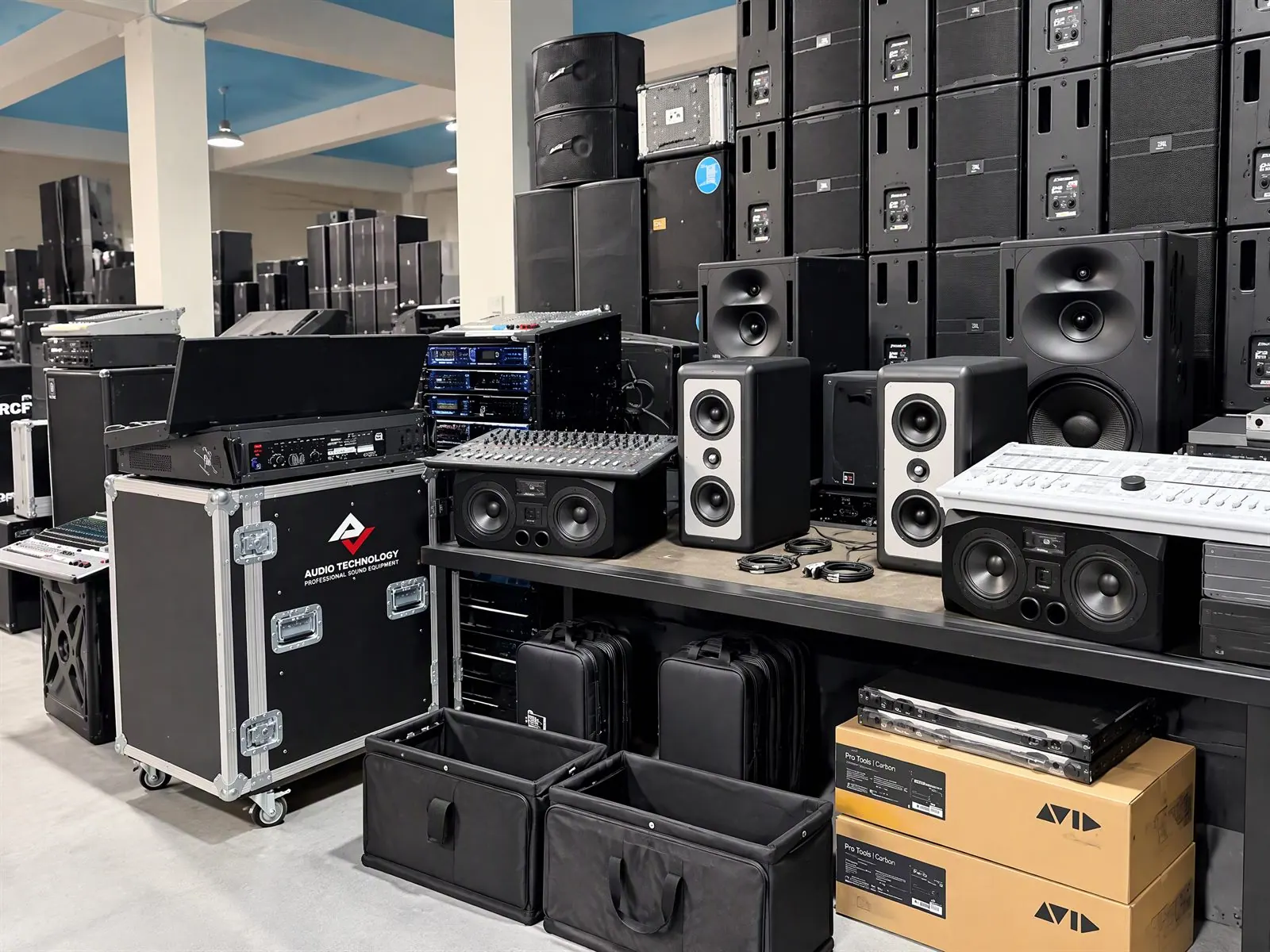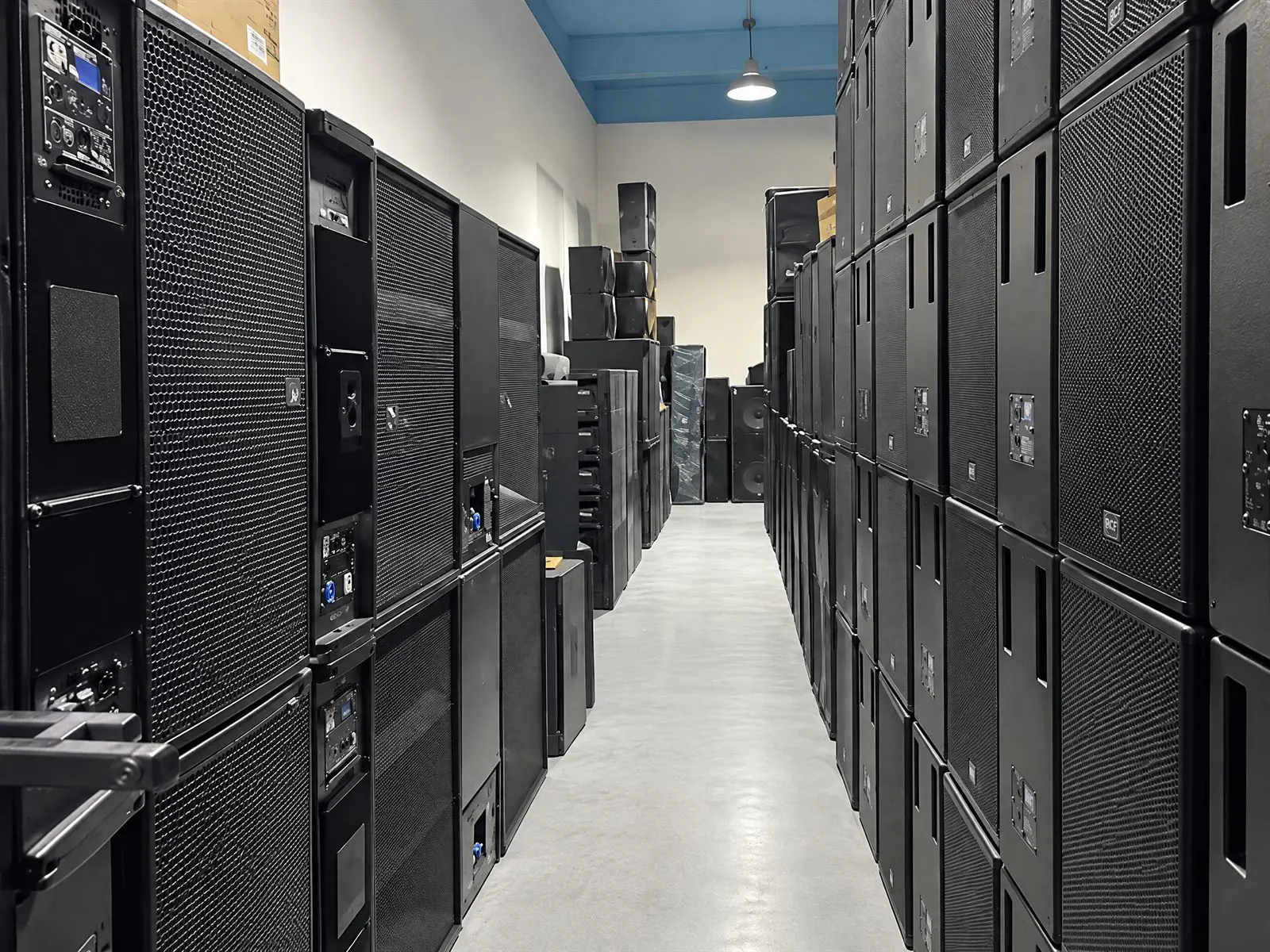
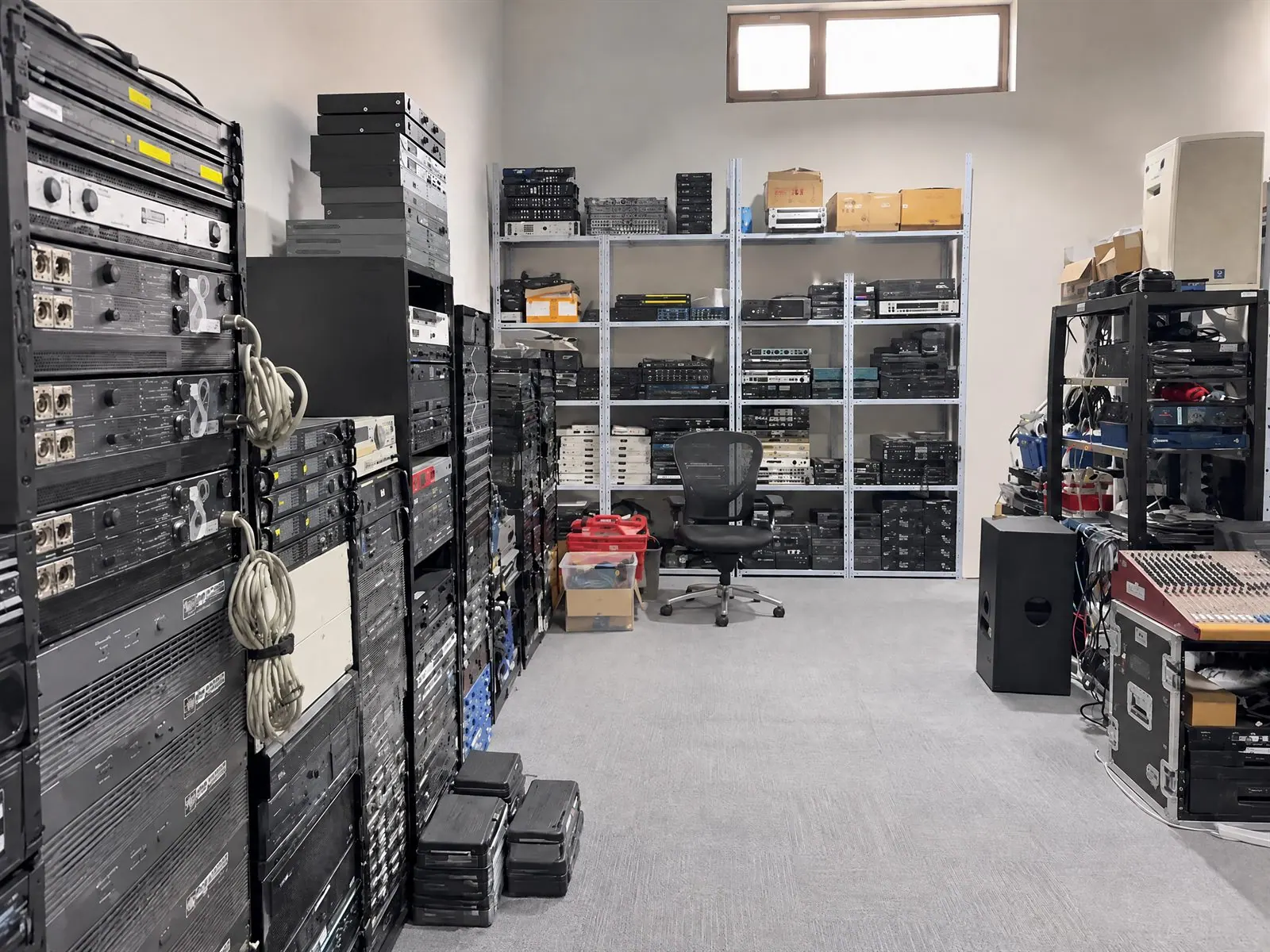
What a re-coned driver means for the price of a used cabinet
Re-coning is normal maintenance, not damage — but it does move the price. Here is how to tell an original driver from a rebuilt one.
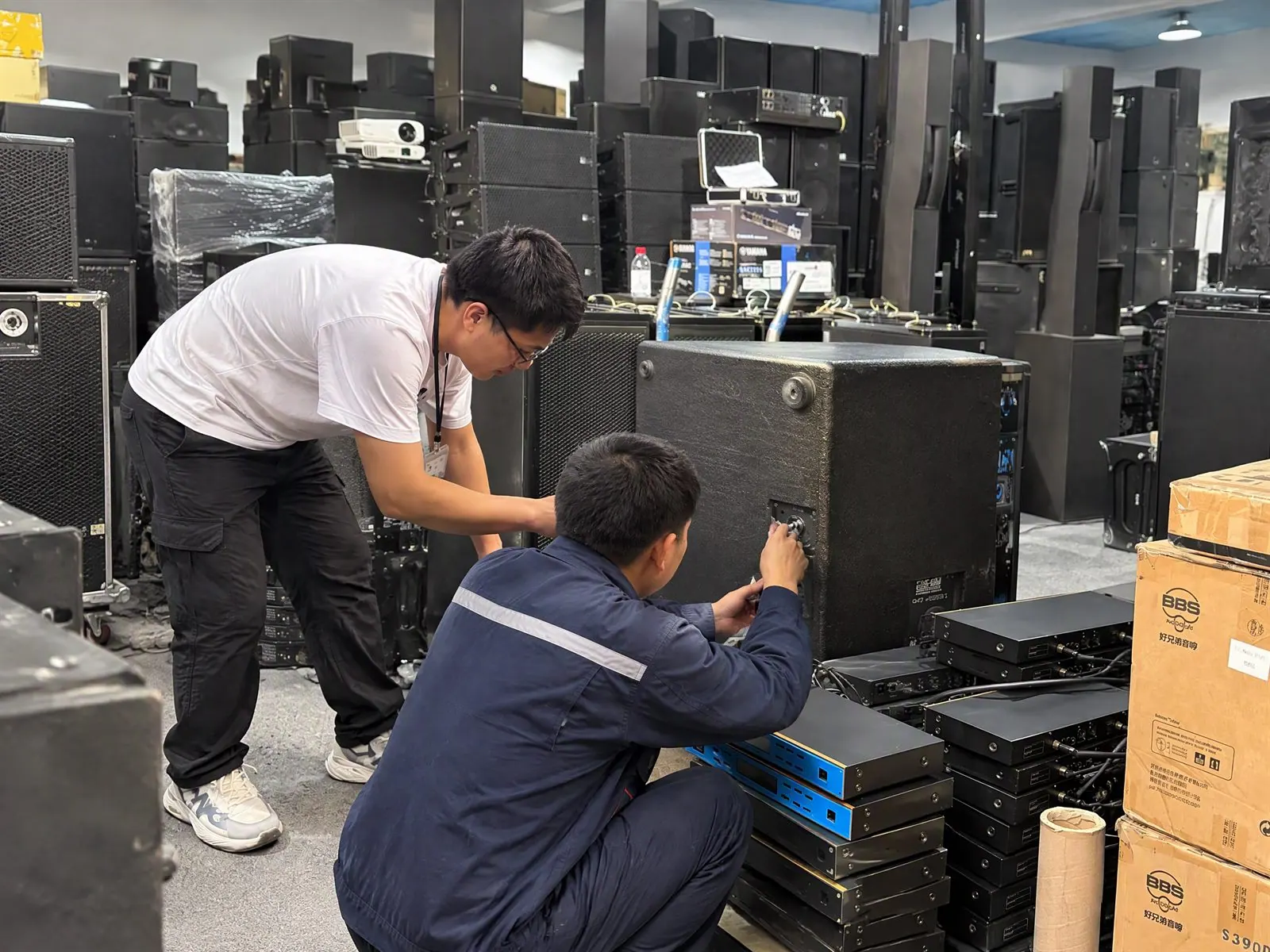
Condition grades are the fastest way to compare two listings — but they only work if everyone means the same thing by them. Ours are assigned by the technician who tests the unit, not by the seller who traded it in.
Grade A covers units at 90% or better: original drivers, no dents or cracks and only light cosmetic marks. Everything works as the manual describes. This is the stock we ship to buyers who resell at retail rather than using the gear themselves. Buyers grading microphones alongside loudspeakers can read the used Crown CM-310A microphone buying guide for condition notes on how cosmetic wear is documented.
Grade B is the 70–90% band and it is where most of our stock sits. The unit works fully, but the cabinet, grille or handle shows road wear. Drivers are original unless the listing states otherwise. Grade B is usually the best value for rental companies. Rental companies comparing several lots at once can browse the full range of used pro audio equipment and filter by grade before requesting test reports. Buyers weighing subwoofers alongside a graded line array can read the used K Array RedLine subwoofer guide for condition notes before requesting test reports. Rental companies comparing graded lots often check used Yamaha DM1000 for sale listings and ask for the technician's test report before committing.
Grade C means 50–70%: working, but priced for refurbishment or for spare parts. Cosmetic damage is visible and documented in the photos. If a driver has been re-coned or replaced with a non-original part we say so in the description — a re-coned driver is not a defect, but it does change what the cabinet is worth. For large outdoor events, grade B cabinets are often the practical choice when specifying a festival PA system that has to absorb heavy handling. Anyone comparing graded line-array stock should look at the used RCF HDL 20-A line array module listing and ask for photos of the specific serial number being quoted. Buyers weighing smaller cabinets can read the Martin Audio A55 condition notes guide to see how grade descriptions translate into practical buying decisions.
Whichever grade you buy, ask for the test report and photos of the specific serial number you are being quoted. Grades describe condition, not whether a model suits your venue. Installers fitting a fixed nightclub bar PA system should still request the serial-number photos, since cosmetic wear matters less than documented driver history. For amplification paired with graded cabinets, the used Adamson PLM 20K44 guide explains which condition notes matter most before you commit. Anyone sourcing compact consoles alongside graded stock should compare second hand Yamaha MG06 mixer listings and request photos of the specific serial number.
Questions about this unit or about shipping to your country? Contact us for condition photos, test results and a quote.
Re-coning is normal maintenance, not damage — but it does move the price. Here is how to tell an original driver from a rebuilt one.
FOB or CIF, LCL or a full container, and the paperwork a used-goods shipment actually needs at destination.
Ten checks to run before you commit to a used line array rig — from flying hardware and coverage angles to the spare parts you will need in year three.