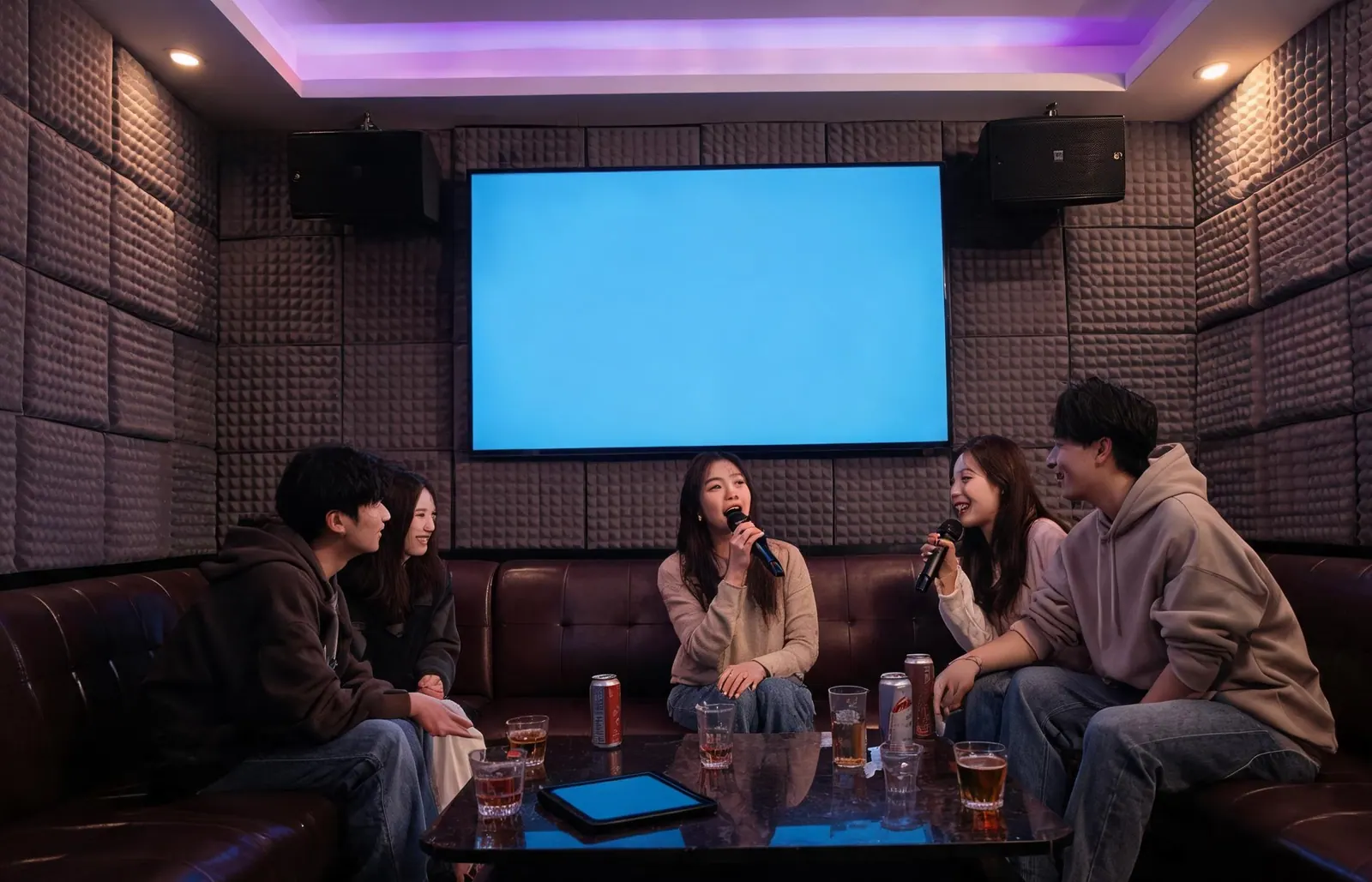
Vocal-first design for karaoke boxes: ceiling or wall speakers for even coverage, one amplifier per room, multiple wireless mics and a mixer that anyone can operate.
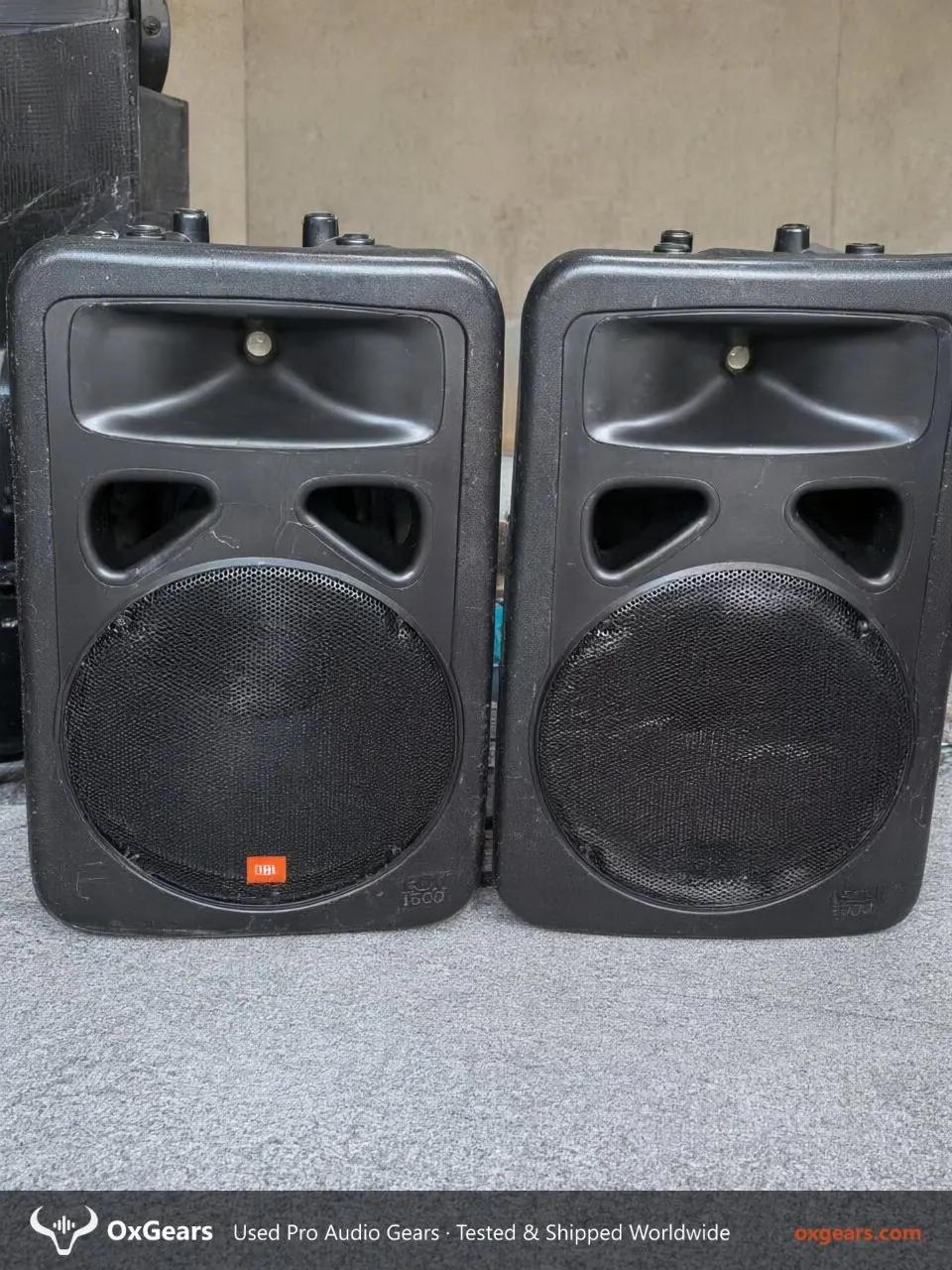
For a 25–40 m² private KTV suite we plan 4× JBL EON1500 cabinets (Grade A) on wall brackets, one Yamaha MG06 mixer, two BBS U-798D wireless handhelds and a Crown CM-310A for the host. EON1500 is rated 124 dB peak with a 90° × 60° pattern; every mic is checked for capsule noise and wireless sets are matched on the same band before shipping.
A karaoke room is a vocal room. Intelligibility and gain-before-feedback matter far more than low-frequency output, so choose speakers with controlled midrange and place them so the singer hears themselves without the mic facing a driver.
Four ceiling speakers on a 3 by 3 metre grid, or a pair of wall brackets at seated ear height, cover a typical private room evenly. Aim them slightly away from the microphone position rather than over the sofa.
Run one amplifier per room. Shared racks force one volume setting across several rooms, and every group of guests then argues about the same knob. Per-room control also keeps a single failure from closing the whole floor.
Finally, match the microphone count to the room. Two wireless handhelds for a small box, four for a large one, and always keep a spare capsule or cable on site so one dead mic does not end the night.
Installer pain points and how we solve them
The three problems that come up most often in this kind of room — and the specific way we plan around each one.
What goes wrong in the roomHow we plan around it
Guests cup the grille and the room breaks into feedback.
Mount the cabinets high and angled down onto the seating, not across the mic positions. We specify cardioid dynamics and set a narrow-band notch on the vocal channel; the BBS U-798D wireless system is supplied with matched transmitters and receivers.
Vocals sound thin and get buried under the backing track.
Choose mics with real output — the beyerdynamic Opus 29 S and Crown CM-310A both hold level when the singer pulls back. The MG06 gives a separate vocal channel; a karaoke effects unit is quoted with the room if you want reverb and compression.
Every room sounds different and the owner has to retune each one.
Keep the same cabinet model across rooms and set one preset per room size (15–25, 25–45, 45 m²+). We send a printed preset sheet with each multi-room order so a local installer can repeat it.
Configuration by room size
Starting points by floor area. Tell us your room size and we adjust the list.
≤ 20 m²
Small private room
4 ceiling speakers, 1 two-channel amp, 2 wireless mics and a compact mixer.
4121
Why this count
Four 8- to 10-inch cabinets at 124 dB peak cover a 20 m² room without a sub; 90° × 60° keeps energy on the seats and off the side walls.
4 to 6 ceiling speakers, one amp per room, 4 wireless mics and a digital mixer.
4141
Why this count
Four 15-inch cabinets plus one 18-inch sub cover the 20–40 m² suite at party level; the second pair goes on the rear wall as fills so the back sofa hears the same vocal.
6 to 8 ceiling or wall speakers, 2 amps per room, 4 wireless mics and a compact sub.
6124
Why this count
Six cabinets and one sub give a 40 m²+ VIP room the headroom for a live band or a DJ set, with a second amplifier so the room keeps working if one channel fails.
Four cabinets — two at the front and two as rear fills — with one 18-inch sub if the room is used for parties. That gives even vocal level across the seating without aiming a cabinet straight at the mic.
Can you supply the karaoke amplifier and vocal effects?
Karaoke amplifiers and vocal effects units are quoted with the room to match the speakers. We stock the mics, cabinets, mixers and amplifiers that drive them, and we will specify a voice processor if you want reverb and compression.
Are the wireless mics on the same frequency band?
Yes. We only ship wireless sets whose transmitters and receivers are matched, and we run a channel scan plus a walk test before packing. If a set cannot be matched we do not list it.
The JBL EON1500 is a 2-way powered stage monitor/main PA speaker, equipped with a 15-inch woofer and a 1.5-inch high-frequency compression driver. Rated power handling is 225W (IEC), system impedance is 8 ohms, suitable for small to medium-sized performances, conferences, and fixed installation scenarios.
The Yamaha MG06 is a compact 6-channel analog mixing console suitable for small performances, recording, and live streaming. It features 2 microphone inputs (with phantom power), stereo line inputs, and main output/headphone monitoring jacks, with intuitive operation, portability, and durability.
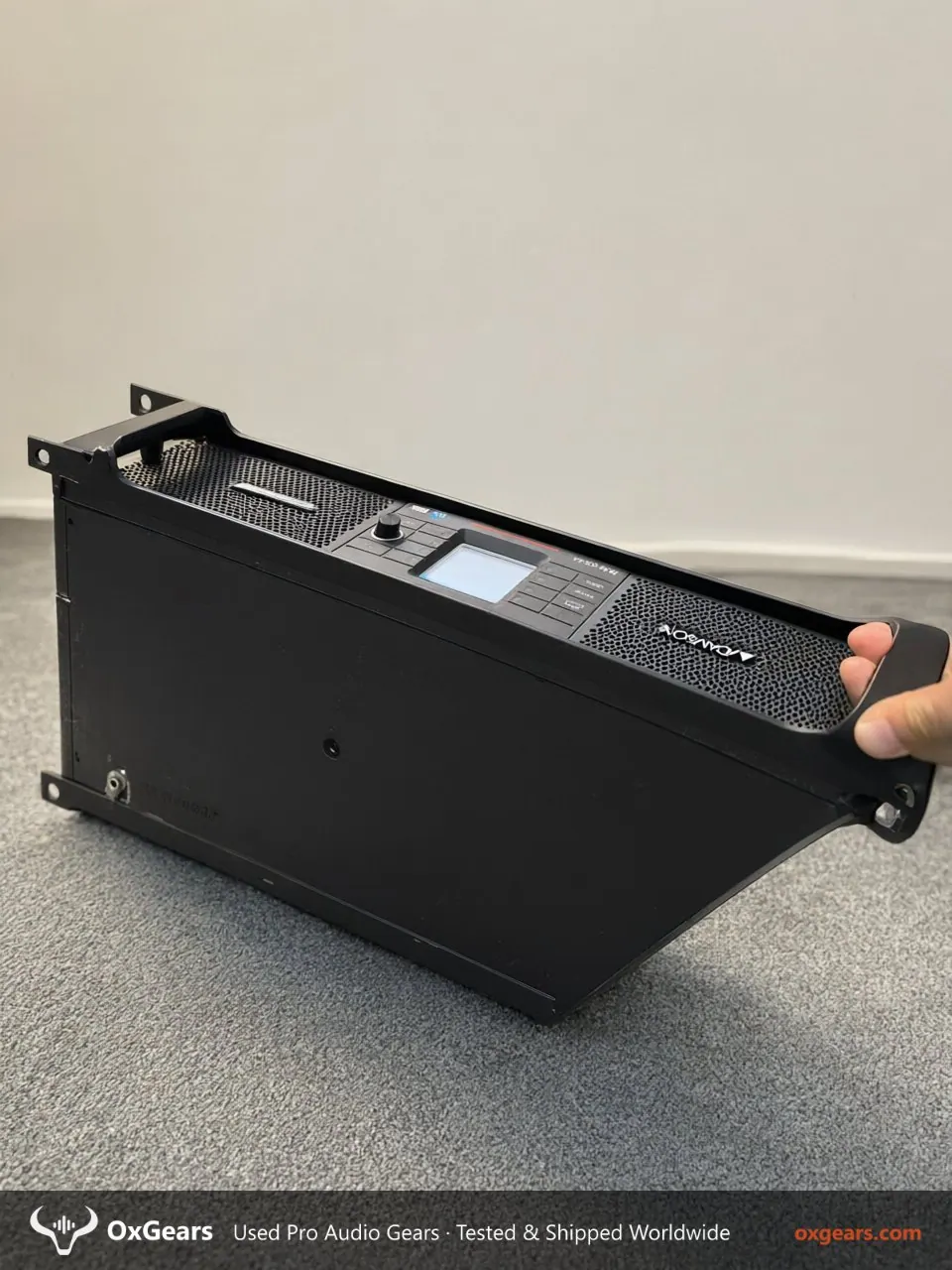
The Adamson PLM 20K44 is a professional-grade digital power amplifier, equipped with an LCD display and physical control knobs, and supports network connectivity and AES/EBU digital input. Suitable for driving line array systems, it offers high reliability and on-site tuning capability.
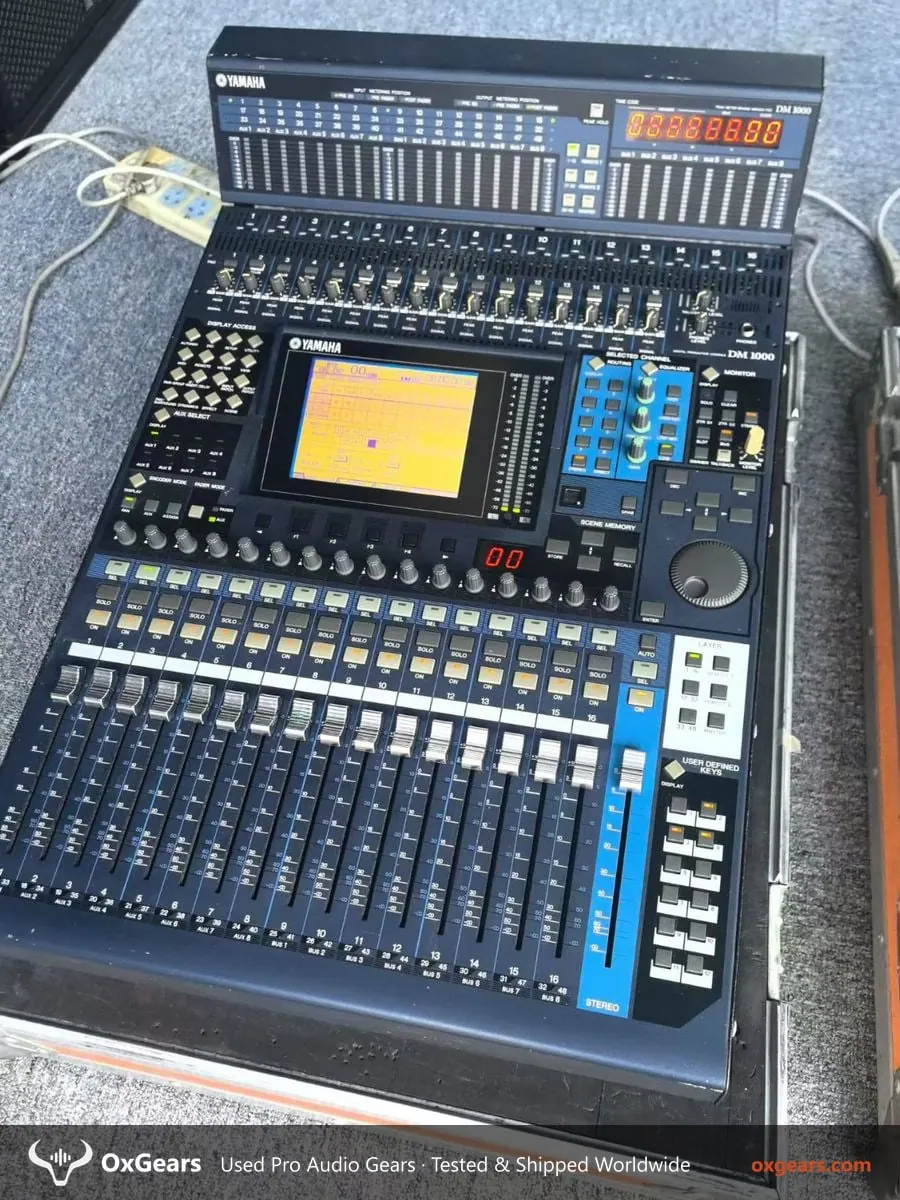
The Yamaha DM1000 is a professional digital mixing console featuring 16 mono inputs and 8 stereo inputs, supporting 96kHz sampling rate and IEEE 1394 network connectivity. Suitable for small to medium-sized live performances, recording studios, and fixed installation projects, it offers scene memory, built-in DSP processing, and multi-bus routing functions.